


The platform behind software updates for vehicles, industrial systems, robots, appliances, and connected devices.
tQCS works with LG Electronics as a global partner for the OTA/DM solution, bringing it to customers outside LG. LG develops and operates the platform; tQCS handles the customer-facing work — evaluating fit, integrating the solution into the customer's hardware and infrastructure, and supporting it afterwards.
LG Case Studies
Three deployment patterns show how the same platform is applied in different industries.

Automobile
deployed in production field-vehicle
The platform is in use on production vehicles, updating software across several systems in the car — battery management, infotainment, gateway, and others. Updates travel over the vehicle's own networks (CAN, DoIP, Ethernet) and follow Uptane, the security framework used for automotive updates, with AUTOSAR-compliant integration. Vehicles do not have to be taken off the road for an update, and diagnostic data comes back so problems are visible early.
Manufacturing
1wk -> 10 min downtime reduction
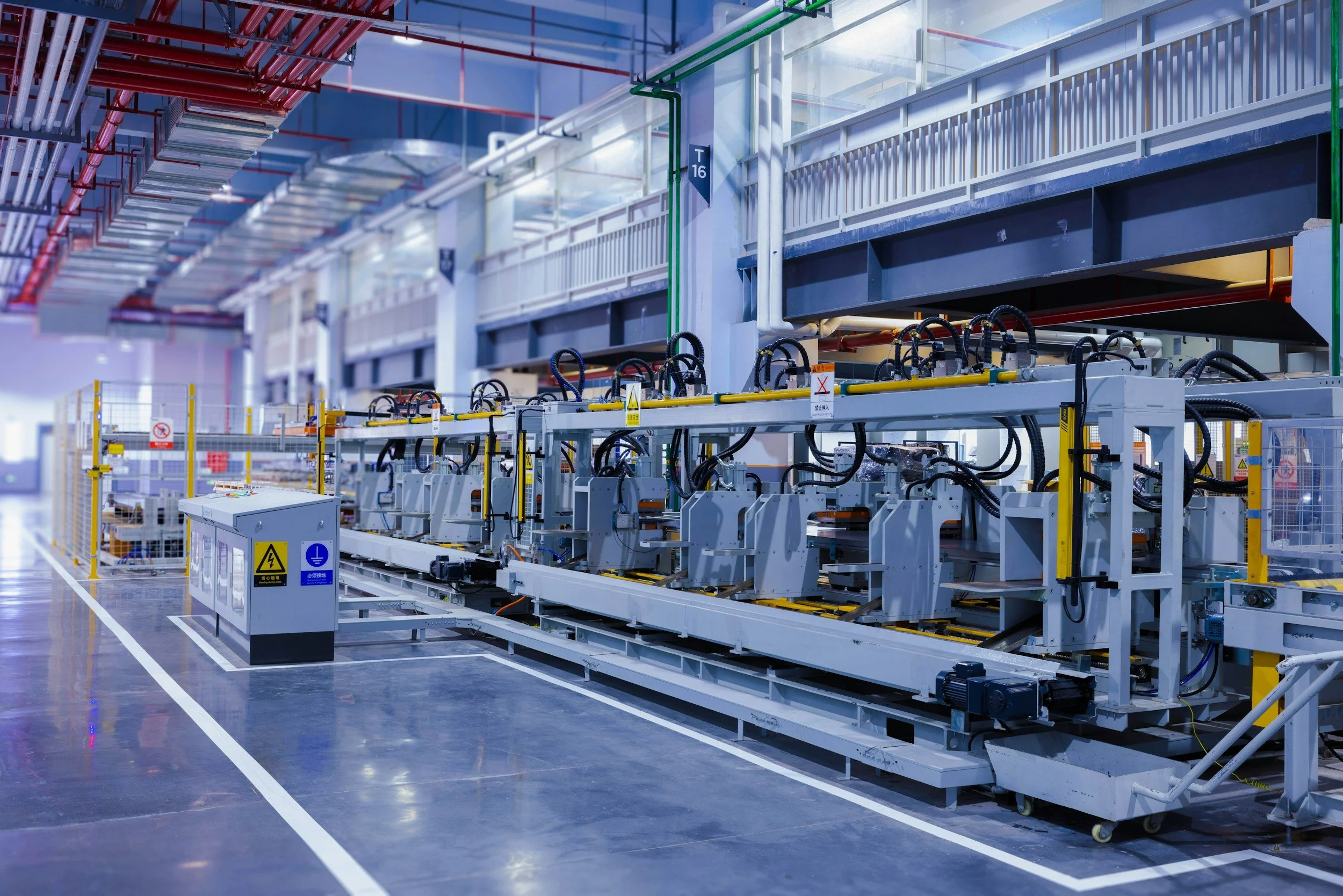
Factory and plant networks are usually closed. Equipment sits behind a firewall, and only one machine — a manager PC on the site network — is allowed to reach the outside. Anything below that point is normally updated by an engineer on site, one unit at a time.
In one deployment of about 30 manager PCs and roughly 1,200 sub-level controllers, the platform delivered a single package to each site and let the manager PC distribute it from there. The scope covered both the application running on the manager PC and the firmware on the controllers below it. A full update round that used to take more than a week completed in about ten minutes, and operators could see the status of every unit without visiting the plant.
The link between the manager PC and the equipment below it varies by site — TCP/IP, Modbus TCP, and others — and is handled in the porting layer. For plants that stay fully offline, a CLI-based manual upgrade path can be built for the site operator, so the same package can be applied inside the closed network without a connection to the outside.
Robotics
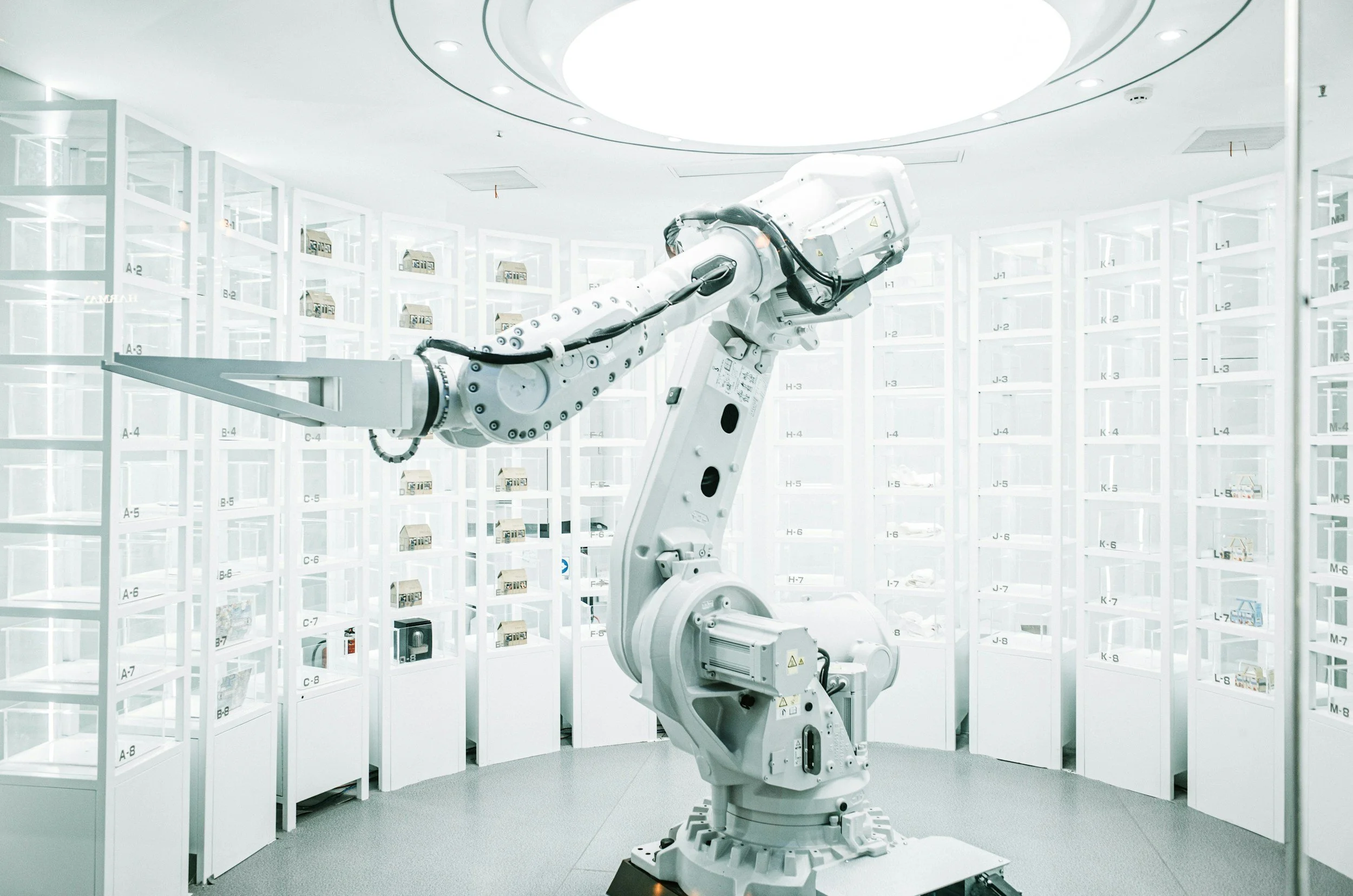
Service and industrial robots run the same client, with updates managed per fleet. Robots can be updated in batches and rolled back individually, so a fleet is never taken out of service all at once. The solution has been applied to real robotics deployments in the field, and can be extended to modern robotics development environments such as ROS2.